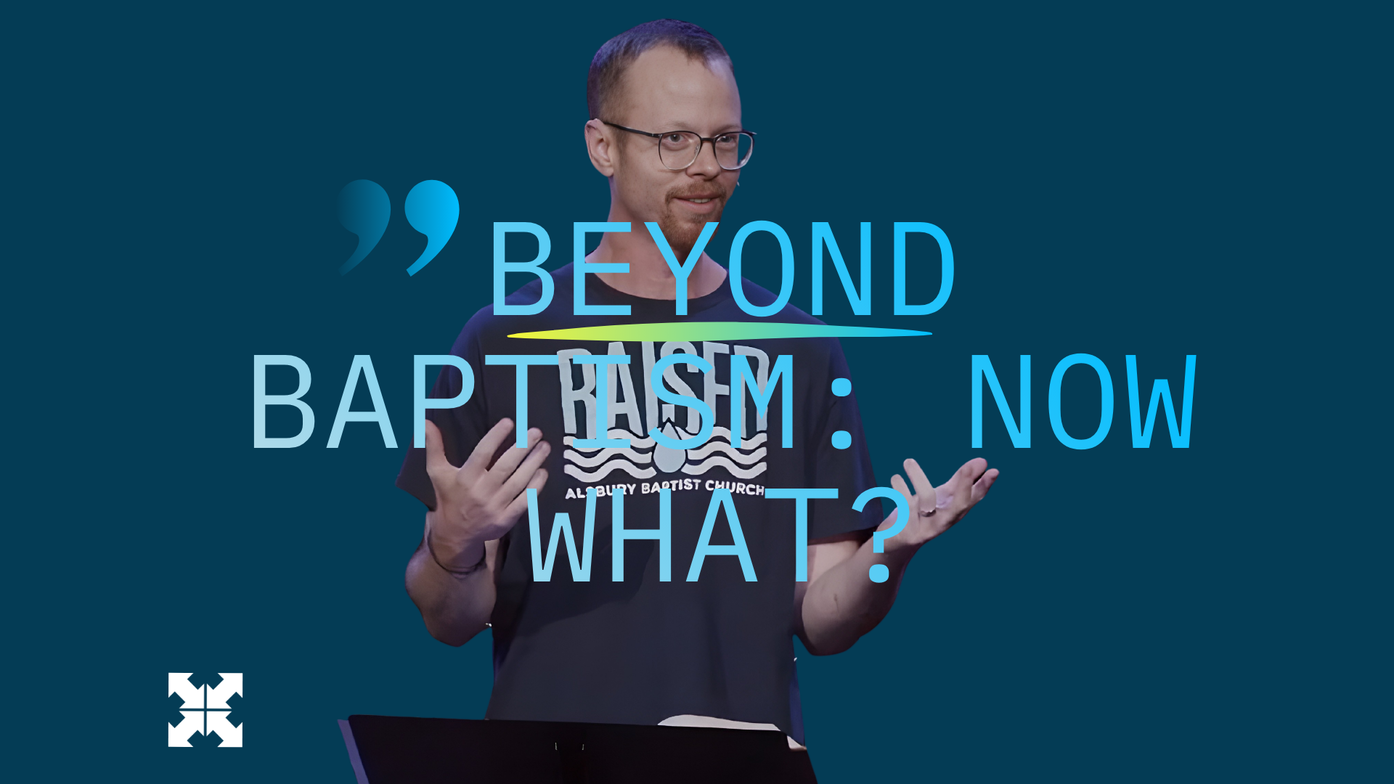
Starting a new year often brings excitement and challenges. As we move forward, we need to remember that God is good—all the time. But what happens after we make the decision to follow Jesus? What does life look like after baptism?
What Does It Mean to Live Differently?
The apostle Paul wrote to the Ephesians with perhaps his most thorough guide for following Jesus. In Ephesians 3:20-21, he reminds us that God "is able to do far more abundantly than all we ask or think, according to the power at work within us." This isn't just wishful thinking—God has incredibly high expectations for what He wants to accomplish through us together.
But here's the key: this extraordinary power comes with some non-negotiable relationship demands and requires personal discipline to become different.
Why Can't We Stay the Same After Following Jesus?
Paul makes it clear that once we're in Christ, we cannot continue living like we did before. In Ephesians 4:17-19, he describes how people without Christ live "in the futility of their minds" and are "darkened in their understanding."
This happens in three ways:
- Misplaced Mental Focus: We tend to put our minds on the same worthless things the rest of the world does. Our powerful imaginations get used for irrelevant or harmful pursuits instead of God's purposes.
- Willful Ignorance: It's not just that people don't know—they don't want to know the truth because it would force them to reckon with God and change their lives.
- Hopeless Hunger: People chase after experiences that can never truly satisfy them, becoming "greedy to practice every kind of impurity."
What Skills Do We Need to Demonstrate Love?
Paul calls us to "walk in a manner worthy of the calling to which you've been called" (Ephesians 4:1). This high calling requires learning specific skills: humility, gentleness, patience, and "bearing with one another in love."
These aren't just nice ideas—they're practical skills we must develop. Skills are often more effective than feelings because we can learn to do the right thing even when we don't feel like it.
How Do We Learn These Skills?
There are two approaches:
- Follow a Model: Look at how Jesus treated people—His followers, the marginalized, everyone He encountered. Paul tells us to "be imitators of God as beloved children" (Ephesians 5:1).
- Apply Virtues: Take concepts like humility, gentleness, and truthfulness and ask what they would look like in your specific circumstances. For example, Paul says to stop lying and instead "speak the truth in love."
What Does Church Really Mean?
Here's something crucial to understand: church isn't the Sunday morning experience you're having right now. Church is the people sitting around you. It's the relationships you have or don't have, the skills you practice or don't practice, the gifts you use or don't use for this network of relationships.
Life after baptism is learning how to share our lives with Jesus' family. Most of our spiritual growth isn't about getting more information in our heads—it's about learning how to relate to one another.
Why Is This So Challenging?
Just like natural families, Jesus' family includes people we wouldn't have chosen ourselves. We have to learn skills not just to tolerate being in the same room together, but to live out our high calling together.
This requires developing what Paul calls "the unity of the Spirit in the bond of peace"—a connection that won't break, like a carabiner that won't fail or a knot that won't come untied.
What About Our Culture's Challenges?
One countercultural skill we desperately need today is attention. Our culture constantly tries to steal our focus, training us to reach for distractions the moment we feel uncomfortable or uncertain.
Learning to be present with one another, to pay attention, to wrestle with things that matter for longer than milliseconds—these are essential skills for following Jesus in our time.
Life Application
This week, take an honest inventory of your relationships and commitments. Ask yourself: "Which relationships and ministries am I currently investing in that live up to our high calling and push me to practice gentleness, humility, patience, and putting up with others in love?"
Remember, you have limited time and resources. How are you using them to develop the skills of loving Jesus' family well?
Questions for Reflection:
- What specific relationship in your church family challenges you to grow in humility and gentleness?
- Where do you find yourself avoiding truth that would make demands on your life?
- How can you practice giving your undivided attention to others this week?
- What would it look like for you to "speak the truth in love" in a current relationship?
The goal isn't perfection—it's progress in learning how to love the family God has given you through Jesus. This is how God accomplishes more than we can ask or imagine: through ordinary people learning extraordinary skills of love.